
Harness these 3 effective strategies to propel your digital marketing agency's growth and discover the secrets behind sustainable success.
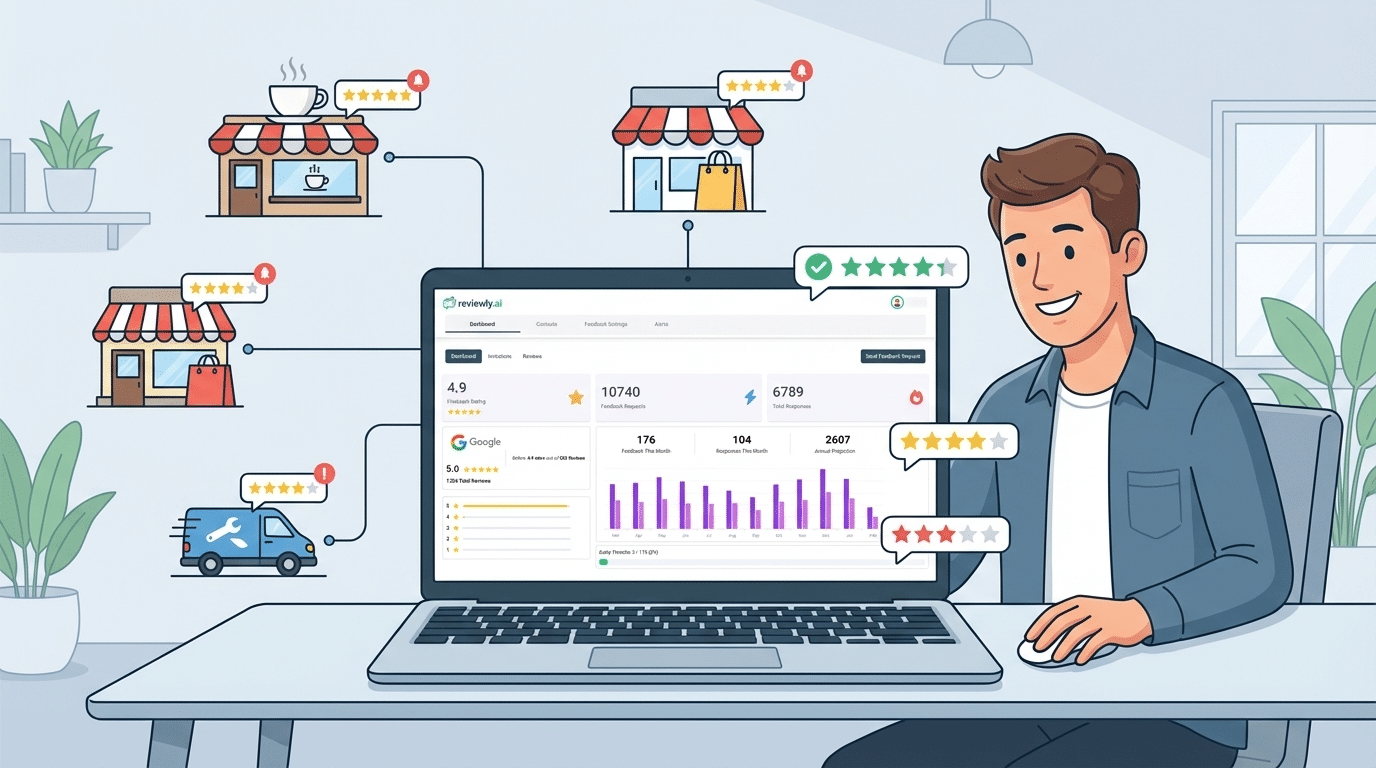
In 2026, online reviews function like a digital storefront window. Before choosing a contractor, restaurant, dentist, or service provider, customers almost always check reviews first. A business with consistent, recent feedback appears trustworthy, while one with outdated or poorly managed reviews quickly loses credibility.
For entrepreneurs and agencies, this shift creates a clear opportunity. Businesses increasingly need help generating reviews, monitoring feedback, and responding quickly to maintain their reputation online. But launching a review management agency requires more than simply offering to “get clients more reviews.”
The agencies that succeed build repeatable systems, clear service packages, and reliable delivery workflows.
This guide explains how to start a review management agency in 2026, including how to validate demand, choose profitable niches, build scalable services, and use automation tools like Reviewly.ai to deliver measurable results for clients.
Launching a review management agency today means entering a market with strong and growing demand. Online reputation directly influences where customers spend money, which means businesses are increasingly motivated to improve their ratings, review volume, and response activity.
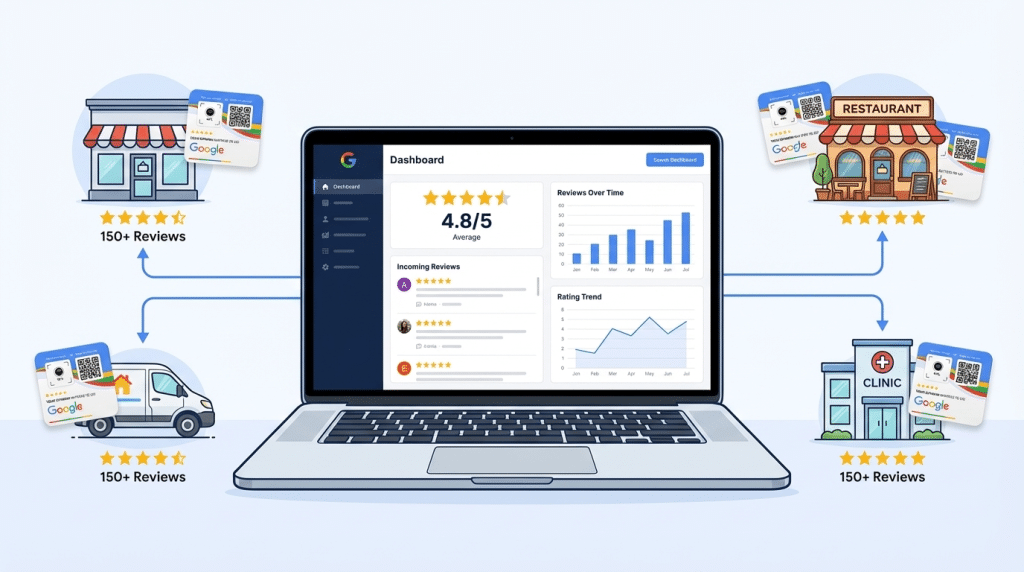
Many local businesses still have incomplete profiles, outdated information, or very few recent reviews. These gaps represent a real opportunity for agencies that can help improve reputation signals quickly and consistently.
Businesses with ratings below 4.5 stars are particularly strong prospects. Studies show that consumers frequently filter search results by rating, meaning businesses with lower scores often lose customers even if they offer excellent service.
Your agency’s services should be simple, measurable, and easy to understand. Most agencies structure retainers around services like:
Automated workflows also play an important role. Connecting review requests to CRMs or booking tools allows businesses to send review invitations automatically after a service interaction, often through SMS within hours of completion.
Many new agencies accelerate their launch by using white-label review management platforms like Reviewly.ai, which provide automated review requests, AI-assisted responses, and multi-location dashboards out of the box. Instead of building infrastructure from scratch, agencies can focus on acquiring clients and delivering measurable reputation improvements.
Demand for review management services continues to grow because online reputation now plays a central role in how customers make decisions.
Today, 97% of consumers read online reviews before choosing a local business, and many users now filter for ratings of 4.5 stars or higher before even considering a company.
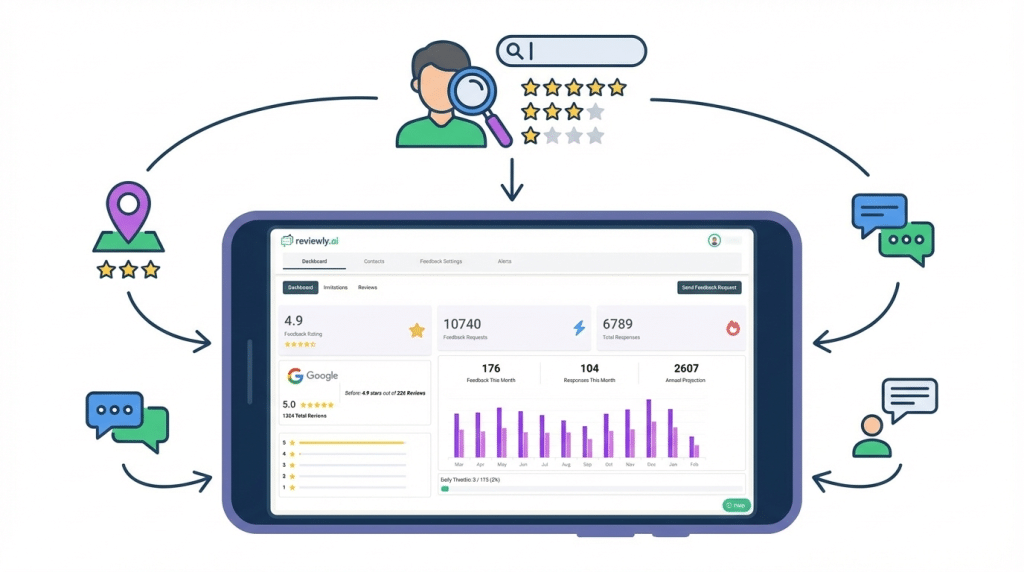
Customers also expect businesses to engage with reviews directly. Research shows that 89% of consumers expect businesses to respond to reviews, which means response management is now part of customer service.
The problem for many business owners is time. Reviews appear during the busiest times and at anytime during the day. Monitoring reviews channels manually quickly becomes overwhelming.
As a result, businesses often fall behind on responses or miss important feedback entirely. That gap creates an opportunity for agencies that can centralize monitoring, automate review requests, and maintain consistent engagement.
When review performance improves, businesses frequently see:
As AI-driven search continues to highlight reputation signals, review management is becoming an even more valuable service.
Choosing the right niche can significantly affect how quickly your agency gains traction.
Some industries rely heavily on reviews because customer trust plays a major role in purchasing decisions. These industries also tend to generate higher customer lifetime value, which allows agencies to charge stronger retainers.
Examples of profitable niches include:
| Industry | Why It Works |
|---|---|
| Healthcare | Patients rely heavily on reputation before booking |
| Legal | Reviews influence consultation decisions |
| Home Services | Reviews drive local phone calls and bookings |
| Automotive | Reputation influences both sales and service |
| Aesthetics | Visual proof and reviews drive demand |
Agencies typically charge $500 to $2,500 per month for reputation management services, depending on complexity and business size.
Less digitally mature industries can also present strong opportunities. Businesses in sectors like pest control, senior care, accounting, tutoring, and specialty retail often have limited review strategies but high potential demand.
Starting with a niche allows your agency to develop expertise quickly and build case studies that make future sales easier.
Before investing heavily in building your agency, it’s important to validate demand.

Start by estimating the number of potential clients in your market. Look at local small businesses within review-driven industries and identify how many would realistically benefit from reputation management.
Next, audit local businesses and identify common review problems. Look for profiles with:
These businesses often represent immediate opportunities.
You can then test demand through direct outreach, interviews, or simple landing pages offering review audits or pilot programs.
If prospects show interest, schedule consultations and offer small pilot services before expanding further.
A successful review management agency focuses on services that are easy to sell and easy to deliver.
Most agencies build service packages around five core areas:
These services are typically packaged into tiered plans such as basic, growth, and premium tiers.
Clear service structures help clients understand what they are buying and make it easier for agencies to maintain consistent delivery.
Automation tools often handle review requests and reporting, while agencies focus on strategy, escalation handling, and client communication.
A strong upsell strategy turns your review management agency from a basic service provider into a higher-margin growth partner. You’ll create more predictable revenue when you package services into clear tiers like Basic, Growth, Pro, and Enterprise. Existing clients are often the best audience for these offers because trust lowers resistance and makes upgrades easier to close.
Bundling review generation, monitoring, response templates, and monthly reporting raises average order value, while automation lowers delivery costs and protects your margins.
You can deepen client relationships with premium analytics, managed response services, and acquisition acceleration. Sell monthly intelligence reports, sentiment scoring, competitive benchmarks, and dashboards that flag negative reviews in real time.
Offer review-derived recommendations so clients see business impact, not just data. Add professionally written negative-review responses, dispute support, coaching sessions, and urgent escalation workflows for higher-value accounts.
Then layer in multi-channel invite campaigns through SMS, QR codes, and receipts to accelerate review growth. When clients can scale locations or add integrations, separate modules help more of your accounts move upmarket with you.
The technology behind your agency plays a major role in how efficiently you can serve clients.
Agencies generally choose between building their own technology stack or using white-label reputation platforms.
White-label platforms allow agencies to launch quickly without building software internally.
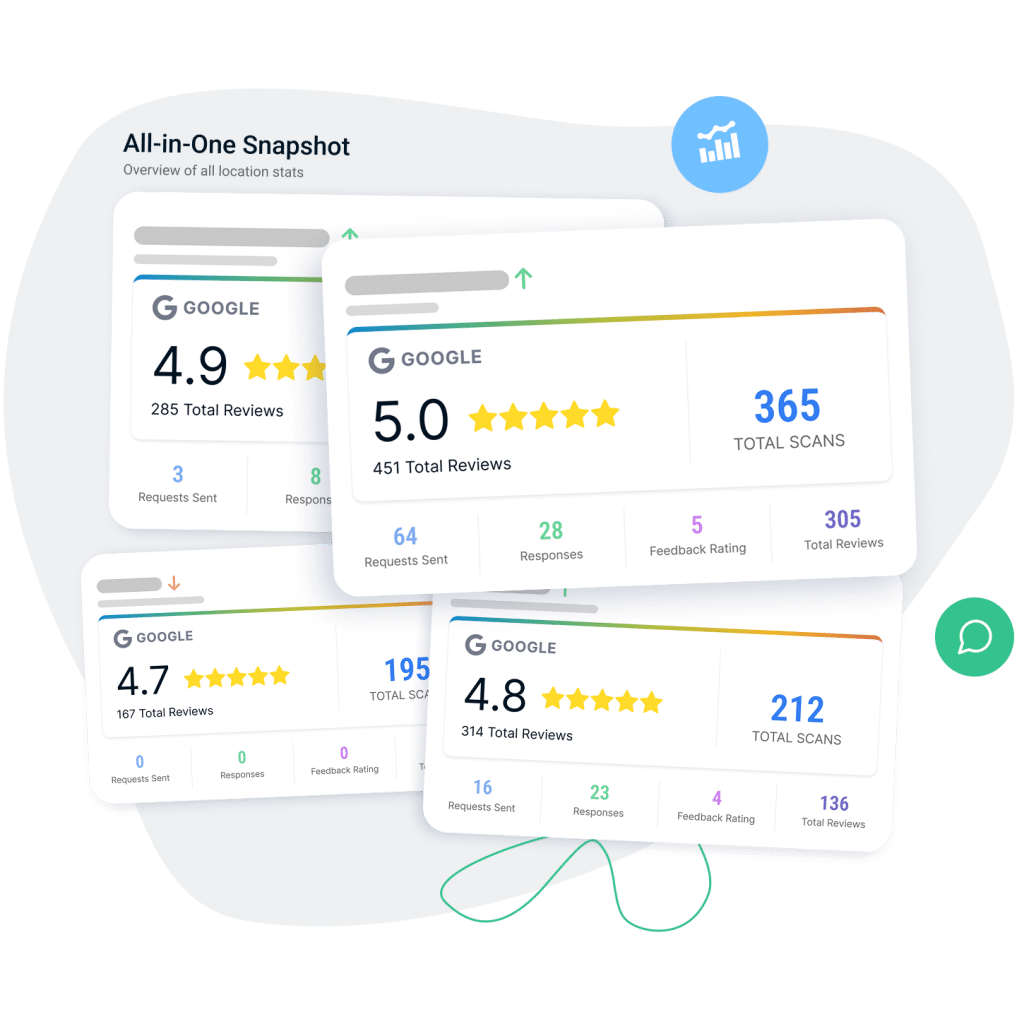
Platforms like Reviewly.ai are designed specifically to help agencies deliver review management services at scale. Rather than manually managing review requests, monitoring platforms, and responding to feedback across multiple tools, agencies can manage everything from one centralized dashboard.
One of the biggest advantages for agencies is how simple it is to onboard new clients. Once a client signs up, the agency simply connects the client’s Google Business Profile to Reviewly.
Within minutes, the system can begin monitoring incoming reviews, generating response suggestions, and preparing automated review request workflows.
From there, agencies can configure automated review invitations that trigger after a customer interaction. These review requests are typically sent via SMS, which dramatically increases open rates and response rates compared to traditional email requests.
As clients begin receiving more reviews, their Google Business Profile becomes more active, their review velocity increases, and their overall reputation signals improve.
The platform also helps agencies scale their revenue because a single team can manage dozens or even hundreds of client locations from one system. Automated review requests, AI-assisted response drafts, and centralized reporting reduce the manual work required to deliver results for each client.
This combination of automation, centralized management, and scalable delivery allows agencies to grow faster while maintaining consistent results for their clients. Businesses receive more reviews, stronger Google Business Profiles, and improved customer trust — while agencies build predictable recurring revenue from reputation management services.
Some agencies choose to build custom software for deeper control or unique integrations.
However, custom development requires significantly more resources, including engineering costs, infrastructure management, and ongoing maintenance.
For most new agencies, white-label solutions offer the fastest and most practical path to launch..
Three smart packages make your review management agency easier to sell, price, and deliver. Start with tiered service levels: an entry package for basic monitoring and weekly alerts, a mid-tier package with templates and review requests, and a premium package for full reputation management, sentiment analysis, and reporting. This structure also supports stronger client retention by making it easier for customers to grow with your agency over time.
Add clear SLAs for response times, remediation scope, and reporting cadence so clients know exactly what they’re joining.
Next, shape packages around industries your clients identify with. Healthcare needs HIPAA-aware workflows and patient feedback funnels. Legal firms need ethics-safe solicitation and negative-review triage. Restaurants want SMS or QR review requests and channel dashboards.
Home services benefit from post-job NPS and photo reviews. Multi-location retail needs centralized dashboards and location-level reporting.
Finally, define deliverables and delivery models. Offer monthly KPI reports, benchmarking, executive summaries, and branded portals.
Then choose full-service, co-managed, white-label SaaS, or reseller options plus onboarding setup.
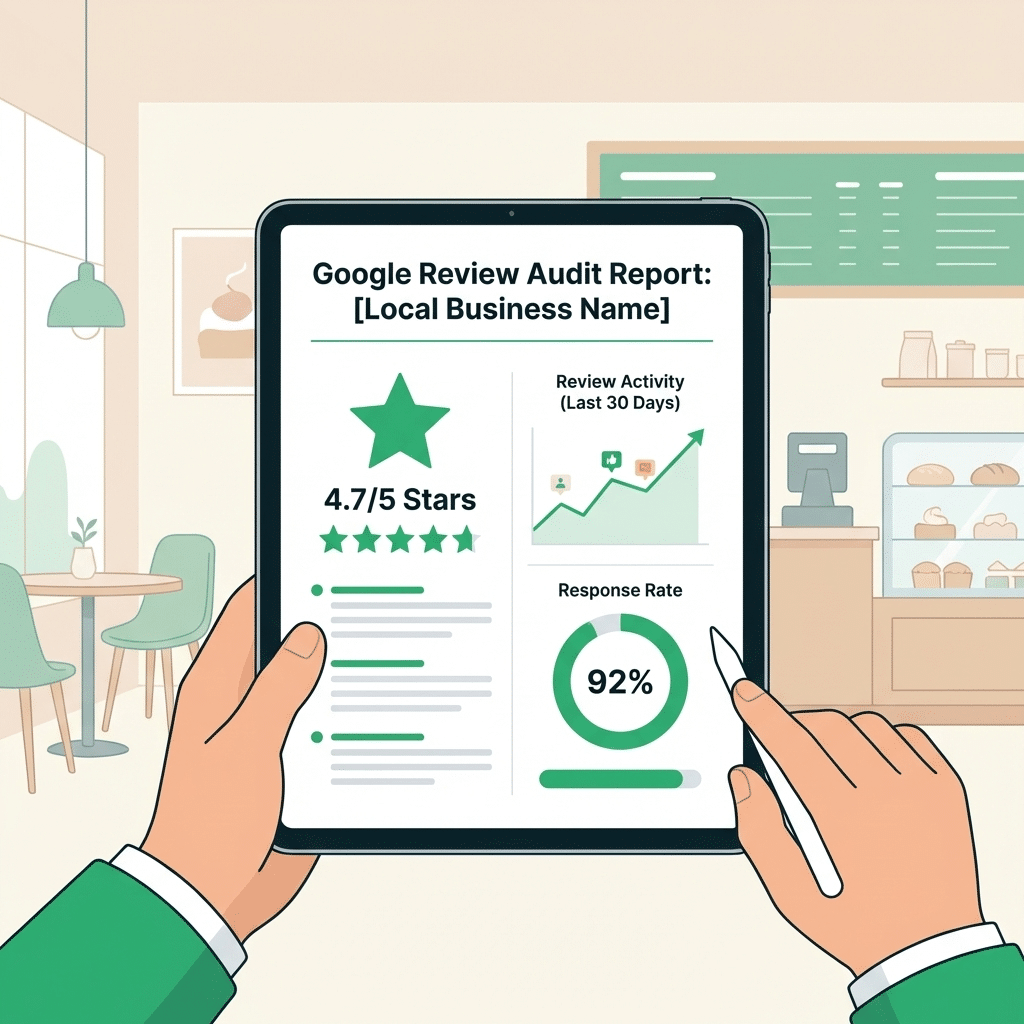
Review audits are one of the most effective client acquisition tools for review management agencies.
Audits highlight problems that business owners can easily recognize, such as declining ratings, unanswered complaints, or outdated profiles.
A strong audit typically includes:
Presenting this information clearly helps prospects understand the value of reputation management services.
Once your agency begins gaining clients, recurring revenue becomes the foundation of sustainable growth.
Most agencies charge setup fees combined with monthly subscriptions. This covers onboarding costs while maintaining predictable revenue.
Automated review request systems like Reviewly.ai can trigger SMS invitations immediately after a service is completed, helping businesses capture significantly more customer feedback without manual effort, which is a major selling point for agencies.
As your agency grows, bundling services such as listings management or local SEO can increase revenue while improving client retention.
Start by selling the fastest, most visible fixes, because quick wins make your value obvious and build momentum for a longer engagement. Focus first on businesses below 4.5 stars, since many buyers now ignore anything lower. Improve the issues that most affect bookings, like service, cleanliness, and response time, then launch simple review asks through SMS, receipts, and post-service emails. Recent feedback matters most, so build a steady review flow that keeps new reviews coming in every month.
Keep requests steady and recent so profiles grow naturally without flags.
Next, fix NAP errors, complete every major profile field, and add key attributes that boost clicks.
Prioritize each client’s top platforms, add QR codes for easy review submissions, and track resolution speed, updated-review rates, and fresh monthly review volume carefully.
Starting a review management agency in 2026 means entering a market where online reputation directly influences customer decisions.
Businesses increasingly need help generating reviews, monitoring feedback, and responding quickly across multiple platforms.
The agencies that succeed focus on clear service packages, scalable workflows, and reliable technology systems.
Many agencies launching today rely on platforms like Reviewly.ai to automate review generation, manage responses, and monitor reputation across multiple clients from one dashboard.
Start with a focused niche, prove results quickly, and build systems before scaling.
When your processes are simple and your results are measurable, you won’t just start a review management agency in 2026 — you’ll build one clients rely on for years to come.
Jeff Schwerdt is the Founder & CEO of Reviewly.ai, a review management platform that helps businesses turn customer feedback into measurable growth. With over 10 years of experience in online reputation management, Jeff works with small and mid-sized businesses to build trust, improve local search visibility, and drive more revenue through smarter review strategies.

Harness these 3 effective strategies to propel your digital marketing agency's growth and discover the secrets behind sustainable success.
Did you know that 82% of consumers trust online reviews as much as personal recommendations? This is why positive Google reviews can be a game-changer for your business. We're about to explore the ultimate guide to securing these valuable testimonials. But this isn't just about getting any reviews; it's about getting the best ones. Why […]
Enhancing Multi-Location Reviews with Reviewly.ai A smog center with multiple locations aimed to enhance its customer engagement and increase online reviews. By utilizing Reviewly.ai, they achieved a 60% response rate on feedback requests and added eight new multi-location reviews in just five days. How is that for instant success? This case study details the strategies […]
Learning how to reply to a negative review is about more than damage control—it’s about restoring trust, and proving that you care about your customers’ experiences. Done right, even a bad review can become your best marketing moment.
Learn the 3 most profitable growth strategies for digital marketing agencies that can transform your business; discover the secrets now!
Harness success in your white label agency with our seven essential tips; a treasure trove of insights awaits you.