
Harness top 9 marketing strategies for agency client acquisition and discover how targeted tactics can skyrocket your growth.
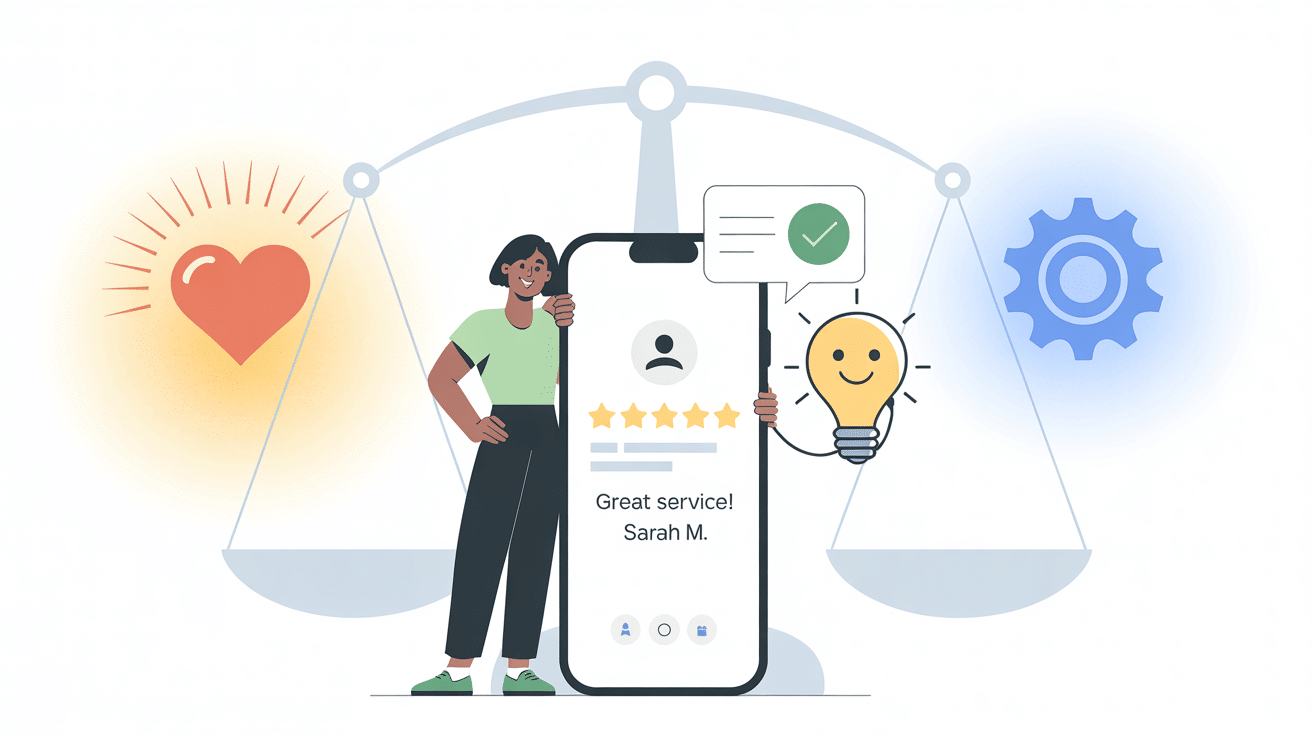
When businesses use AI to help with reviews, it can speed up response times, improve consistency, and help teams manage large volumes of feedback across locations. But without the right principles in place, these tools can weaken credibility instead of strengthening it. That’s why Ethical AI Review Creation is becoming a critical standard—not just for compliance, but for protecting trust, authenticity, and transparency in every customer interaction.
The goal isn’t just to automate, but to ensure that any AI-generated response or support reflects genuine customer experiences, respects data privacy, and maintains the human tone that real reviews demand. When businesses use ethical review tools responsibly—grounded in authenticity, fairness, and accountability—they don’t just protect their reputation. They strengthen it.
AI can make managing reviews faster and more scalable, but when it starts generating review content—rather than helping manage real feedback—the ethical risks increase dramatically. At its core, a review represents a real experience from a real customer. When AI fabricates that voice, it blurs the line between authentic feedback and manufactured sentiment, which can mislead customers, distort trust signals, and even violate regulatory guidelines.
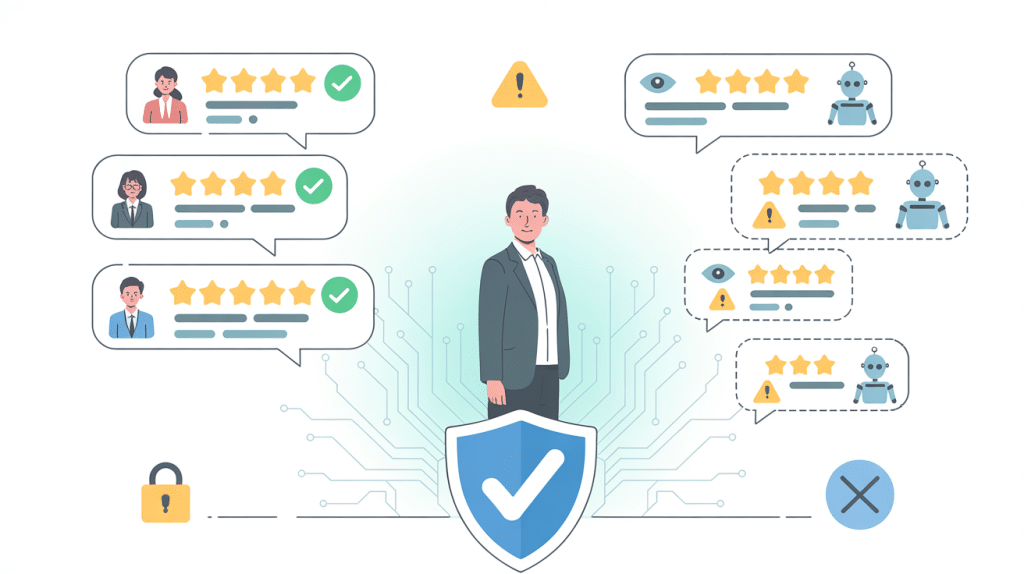
One major concern is authenticity. AI-generated reviews that simulate real customers can create a false representation of experience, leading people to make decisions based on information that was never lived, observed, or felt.
This isn't just misleading—it undermines the very foundation of review systems: real feedback from real consumers.
Another risk is data privacy. When businesses use AI to summarize or analyze reviews, they may unintentionally expose sensitive customer information, especially if the AI is connected to external sources or cloud-based processing systems. Without safeguards, customer names, health issues, financial experiences, or emotional details could be used—without consent—for AI training or processing.
Because of these risks, businesses should never rely on AI to create reviews—but should instead use it to support real conversations, like assisting with responses, highlighting insights, or helping teams manage large volumes of authentic customer feedback.
AI-Assisted Reviews don’t create reviews—they support the process of managing real customer feedback. Instead of fabricating experiences, AI is used to help businesses organize, analyze, and thoughtfully respond to legitimate customer reviews at scale. This approach keeps automation ethical because it supports authentic conversation, rather than replacing it.
AI-assisted tools like Reviewly.ai use automation to detect new reviews in real time, highlight their sentiment, and generate draft response suggestions that reflect the customer’s tone, emotion, and issue. The AI doesn’t pretend to be a customer—it helps businesses communicate better with real customers. Crucially, the content remains under human control: teams can edit, approve, or customize responses before publishing, ensuring accountability and accuracy.
By focusing on response assistance, sentiment tracking, and review monitoring, AI becomes a tool for efficiency—not manipulation. It helps businesses respond faster, stay consistent with brand voice, and prioritize urgent feedback without crossing into unethical territory, such as generating fake reviews or masking real issues.
This model strikes the right balance between human judgment and AI efficiency. The customer still drives the story, and the business still owns the relationship. AI simply helps make the process smarter, faster, and more scalable—without sacrificing authenticity.

What AI-Assisted Review Tools Ethically Support:
✔ Responding to real reviews using AI-generated reply suggestions
✔ Maintaining consistent tone, professionalism, and empathy across responses
✔ Detecting sentiment patterns and customer concerns automatically
✔ Organizing and prioritizing feedback from multiple locations
✔ Sending SMS review requests to real customers after confirmed experiences
What They Do Not Do (and should never do):
✘ Generate fake customer experiences
✘ Write reviews that didn't come from real people
✘ Mask or delete negative feedback
✘ Incentivize or manipulate ratings
AI-Assisted Reviews represent the responsible middle ground—where automation enhances human communication, without replacing it or undermining trust.
You can also define authenticity through measurable signals.
Healthy comments, saves, and shares show that people feel seen, not targeted.
Ethical AI tools streamline the review process while ensuring compliance with FTC regulations.
Stable or rising sentiment and conversion rates signal that automated reviews sound like you and serve your goals.
When your messaging stays consistent across platforms, it shows that automation is reinforcing your brand identity instead of diluting it.
When engagement quality drops or messaging feels generic, it’s a sign your system has drifted from authenticity.
Authenticity isn’t just about sounding human—it’s about being honest, transparent, and aligned with real customer experiences. AI can support that process, but only when used thoughtfully. Ethical AI-assisted review systems should preserve the original intent of the reviewer, provide context-aware draft responses, and help teams understand sentiment without inserting opinions or altering meaning.
The ethical use of AI revolves around augmentation, not fabrication:
The goal is not to remove human involvement but to help humans respond better, faster, and more consistently—without losing the emotion, humility, or accountability that real conversations require.
No matter how advanced AI becomes, businesses must retain control over what is published under their name. Human oversight ensures that responses reflect company values, comply with privacy standards, and avoid unintended biases.
| Situation | AI Role | Human Role |
|---|---|---|
| Positive reviews | Draft thank-you messages | Approve and personalize |
| Mixed reviews | Suggest empathetic responses | Adjust tone and address real issues |
| Negative or sensitive reviews | Flag sentiment and urgency | Craft resolution-focused reply |
| Legal, emotional, or regulated reviews | Detect risk | Handle manually (no automation) |
Ethical review tools help teams strike the right balance—using AI for efficiencies while preserving human judgment where empathy, nuance, or accountability is required.
As AI-assisted reviews grow more common, transparency becomes a key marker of trust. Customers shouldn’t feel deceived by robotic replies or templated messaging. While most industries don’t require formal disclosure that AI helped prepare a response, businesses should still ensure replies:
✔ Sound human and relatable
✔ Reflect genuine business actions or policies
✔ Avoid generic or overly polished “perfect-sounding” responses
The content should feel crafted—not manufactured. AI should help express a real commitment, not perform damage control.
AI-assisted review systems often process sensitive information—names, dates, locations, health, financial, or service-related experiences. To protect customers, businesses must uphold strict data-handling standards:
The best AI tools reinforce privacy and compliance by filtering out personal identifiers, masking sensitive data, and keeping all review activity confined to secure, authorized environments.
When used responsibly, AI doesn’t weaken your reputation—it scales it. The key is to let AI support what businesses already do well: listen, respond, learn, and improve.
What ethical AI-assisted review systems help you do:
✔ Respond faster without sounding robotic
✔ Understand sentiment trends across locations
✔ Spot patterns in real feedback (service gaps, strengths, staff performance)
✔ Use reviews to guide operational improvements
✔ Build public trust through transparency and empathy
Ethical AI isn’t about replacing genuine human expression—it’s about making it easier, faster, and more consistent.
Although you can’t eliminate every bias in training data, you can sharply reduce stereotypical outputs by baking fairness into both model design and everyday operations. You start by choosing fairness-aware algorithms: add constraints during training, reweight underrepresented groups, and use adversarial debiasing so the model learns to separate signal from stereotypes.
You then tune objectives so accuracy and fairness move together, not apart. Building diverse teams across data, product, and policy roles further strengthens these safeguards by catching biased review patterns that purely technical checks might miss.
After generation, you apply bias detectors, probability calibration, and rule-based filters that flag or reshape problematic reviews before they reach people. Re-ranking and real-time moderation keep underrepresented identities visible without tokenism. Tools like Reviewly.ai already demonstrate how carefully governed AI-generated responses can scale review management while still honoring fairness and authenticity. This snapshot helps you plan:
| Approach | Technique | Effect |
|---|---|---|
| Design-level fairness | Constraints; adversarial debiasing | Limits stereotypical correlations during learning |
| Output controls | Detectors; calibration; filters | Screens and reshapes biased reviews before release |
| Ranking logic | Fair re-ranking | Elevates inclusive, non-stereotypical options |
| Human oversight | Diverse review panels | Adds lived experience to judgments |
| Governance checks | Bias audits; explanations | Keeps systems aligned with community values |
When you treat continuous monitoring as an always‑on early warning system, you catch both model drift and emerging ethical risks before they quietly erode performance or trust.
You don’t wait for complaints or revenue drops; you watch inputs, outputs, and behavior in real time so the whole team sees what the model is actually doing.
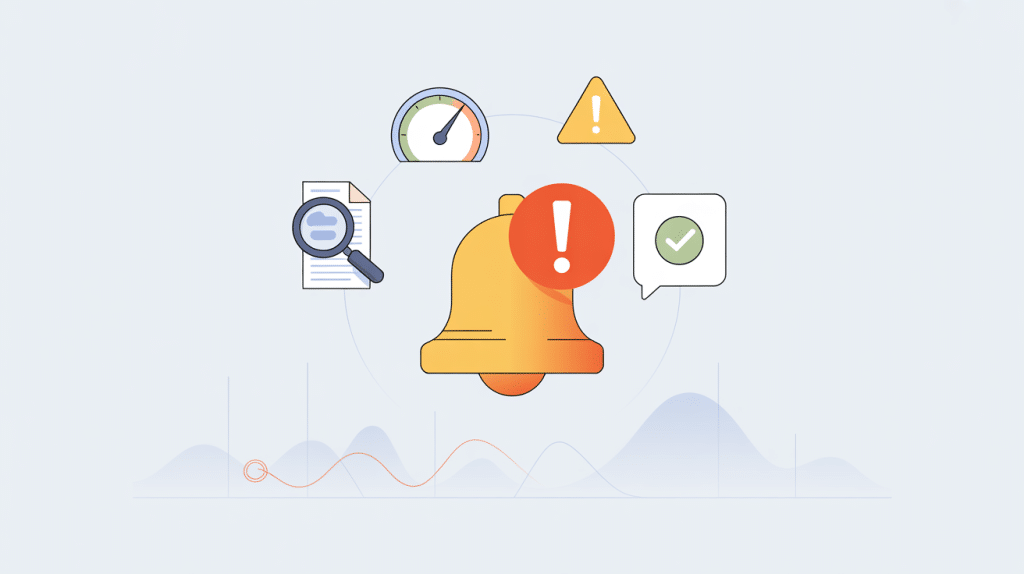
Real‑time analysis and automated anomaly detection flag shifts in data distributions, sudden performance dips, or unusual patterns in generated reviews.
Review monitoring platforms such as Reviewly.ai can pipe live reputation and sentiment signals into your stack so emerging issues in public feedback are detected as quickly as technical anomalies.
You set clear thresholds so alerts fire before drift harms users or brands you care about.
Integrated feedback loops bring customer flags and moderator observations straight into the review process, turning your community into active guardians of quality.
Unified frameworks connect monitoring, governance, and compliance so responses feel coordinated, not chaotic. Thorough documentation of monitoring baselines, incidents, and changes over time shows you maintain clear control over AI and supports transparency with auditors and stakeholders.
Instead of just adding more servers and prompts, scaling AI review creation responsibly means following a clear roadmap that strengthens governance, fairness, transparency, monitoring, and human oversight as volume grows.
You start by building governance: an ethical oversight committee, clear deployment policies, and living documents of guidelines, best practices, and case studies. Pair this with responsible AI dashboards that track feedback rates, error patterns, and regulatory changes so your framework evolves with the landscape.
Next, you embed fairness and openness into every iteration. Examine datasets for representation, run sliced metrics, and use fairness-aware algorithms, diverse data, and recurring bias audits.
Finally, you create continuous monitoring and human collaboration loops: automated quality checks, drift detection, rigorous tests, and visible interfaces where human reviewers and users can challenge, correct, and co-own the system.
You stand at the control panel of a billion whispering machines, each ready to flood the world with reviews in a single heartbeat. When you blend automation with human judgment, you don’t just manage content—you orchestrate a living, breathing ecosystem of trust. If you ignore ethics, that ecosystem collapses overnight. But if you design with transparency, oversight, and care, your AI reviews can shine like runway lights guiding millions of users safely home.
Jeff Schwerdt is the Founder & CEO of Reviewly.ai, a review management platform that helps businesses turn customer feedback into measurable growth. With over 10 years of experience in online reputation management, Jeff works with small and mid-sized businesses to build trust, improve local search visibility, and drive more revenue through smarter review strategies.

Harness top 9 marketing strategies for agency client acquisition and discover how targeted tactics can skyrocket your growth.
Join us to uncover how Reviewly.Ai can ethically transform your business reviews and answer the question on Is There an AI That Can Write Reviews?
Pump up your local Instagram engagement with our comprehensive, step-by-step guide; your roadmap to creating a thriving online community awaits.
Struggling to amplify your construction business’s reputation with more customer reviews? Your search ends here with our guide on how to get more reviews as a construction business in 2024. We’ll walk you through proven tactics tailored for the construction industry to boost your online feedback and secure the trust your business deserves. Discover how […]
From personalized timing to perfect wording, discover the review-request secrets that increase responses by 50%. Learn the best ways on how to ask for Google Reviews
Optimize your ecommerce business by mastering review management for ecommerce strategies that drive growth and boost customer loyalty.